










Morenews Home

the redlines

Where strategy meets consequence

MAIN BANNER

FEATURED POSTS

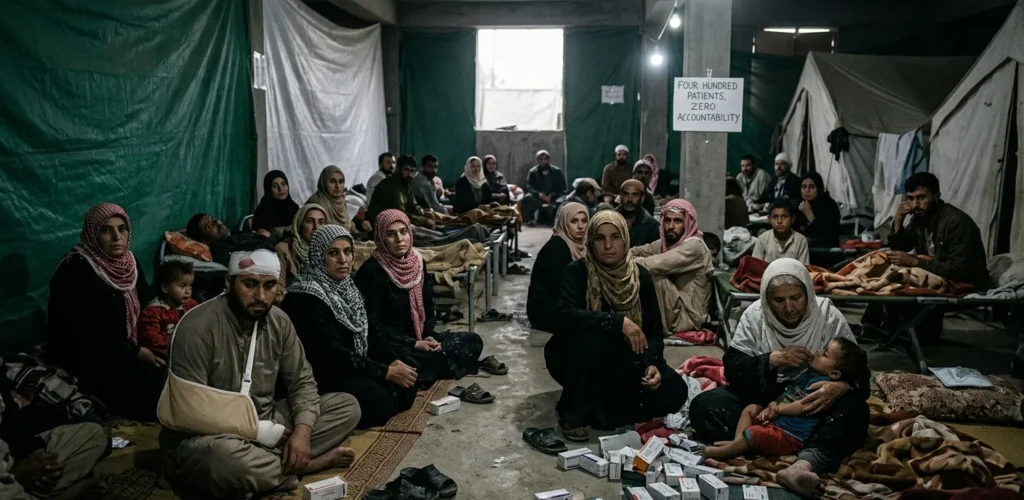
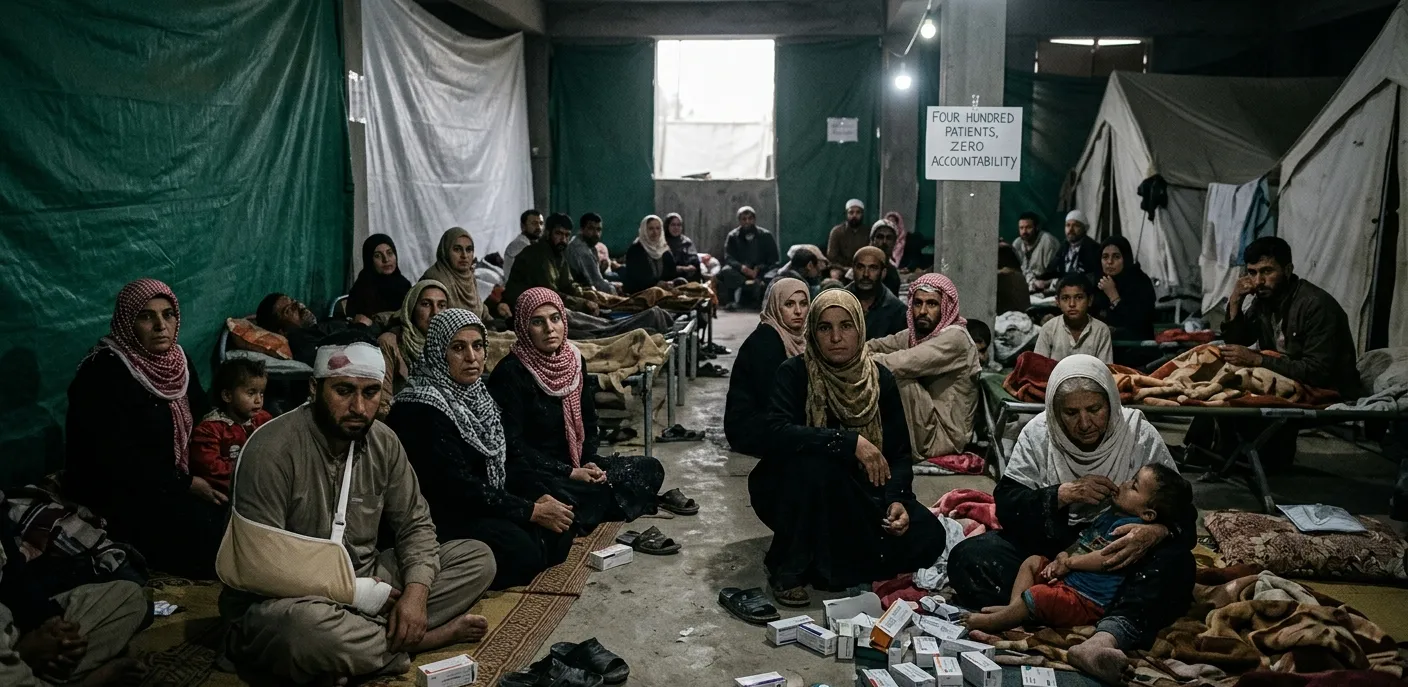
The Muslims Pakistan has most consistently harmed are, with grim irony, other Muslims. The genocide in Bangladesh in 1971 in which the Pakistani military killed between 300,000 and three million Bengali Muslims, a range of estimates so vast it speaks to deliberate historical obscuring was the first and most devastating refutation of the idea that Pakistani state power would be deployed in Muslim brotherhood. The decades of calculated support for Taliban and other militant infrastructure in Afghanistan which produced the very instability that Pakistan now claims to be bombing created conditions in which Afghan Muslims died by the tens of thousands. The Baloch Muslims of Pakistan’s own southwestern province continues to disappear into what human rights organisations have documented as a systematic programme of enforced disappearances, extrajudicial killings, and cultural suppression. And now, Kabul. Four hundred Muslim patients. The West’s Convenient Ally : Michael Walzer, in Just and Unjust Wars, establishes a framework for evaluating military action that the international community selectively claims to follow: distinction between combatants and non-combatants, proportionality of force, and genuine military necessity. Pakistan’s strike on Omid Hospital violates all three with a comprehensiveness that, under consistent application of international law, would constitute a war crime. There was no military necessity to destroy a rehabilitation facility. There was no proportionality in killing four hundred patients to address alleged militant infrastructure. And the distinction between combatant and civilian was not merely blurred it was annihilated. Yet the international response has been calibrated to strategic interest rather than moral principle. The United States — which spent twenty years bombing Afghanistan, which funded and armed Pakistani military institutions across multiple administrations, and which designated Pakistan both partner and adversary depending on the quarterly assessment — has been conspicuously silent. American silence is not diplomatic restraint. It is complicity with a return on investment: Pakistan remains useful, the criticism of an ally for what would otherwise be called a war crime establishes precedents Washington prefers to avoid, and so four hundred Muslim patients are filed under “regrettable incident.” This is the arrangement Pakistan has accepted and internalised across its entire post-independence history. When Washington needed a frontline state against Soviet expansion, Pakistan offered its territory, its intelligence services, and its sovereignty. When Washington needed a logistics corridor for the Afghan intervention post-2001, Pakistan offered Karachi’s ports and its airspace — while simultaneously offering sanctuary to the Taliban in Quetta. Pakistan has perfected the geopolitical art of being simultaneously indispensable and unaccountable, collecting American aid with one hand and pursuing regional destabilisation with the other. Mahmood Mamdani, in Good Muslim, Bad Muslim: America, the Cold War, and the Roots of Terror, anatomises precisely this relationship. He demonstrates how the Cold War framework — and its post-2001 successor created a system in which Muslim-majority states that served Western strategic interests were insulated from accountability for their violence against Muslim populations, while those that resisted Western alignment were subjected to the full moral vocabulary of terrorism and civilisational threat. Pakistan is perhaps the purest expression of Mamdani’s thesis: a state whose violence against Muslim populations has been consistently reclassified as counterterrorism because the patron requires it to be. The Mirror That Islamabad Refuses: There is an uncomfortable symmetry that Pakistan’s apologists will not acknowledge. When the Tehrik-i-Taliban Pakistan bombs a mosque in Peshawar, Islamabad invokes the full vocabulary of Islamic solidarity, civilian protection, and the sanctity of worship spaces. The international community is called to witness. Candlelight vigils are held. Statements of outrage are issued. And rightly so the murder of worshippers in a mosque is an abomination. When the Pakistani Air Force bombs a hospital in Kabul, killing four hundred patients who were also Muslim, who were also civilians, who were also pursuing the most basic human aspiration of healing and recovery the vocabulary changes entirely. Precision targeting. Militant infrastructure. Justified counterterrorism. The corpses do not know the difference. The families burying sons and brothers who survived addiction only to die under state bombs do not experience the distinction between terrorism and counterterrorism as morally meaningful. This is the mirror Pakistan refuses: that its state violence against Muslim civilians is structurally identical in its moral character to the non-state violence it condemns. The uniform, the air force rank, the press conference from Rawalpindi none of these transform the nature of the act. They only determine whether the international community will call it by its correct name. What the Dead Ask of the Living : The four hundred patients of Omid Hospital did not die in a war they chose. They died in the overlap between Pakistani domestic politics, American strategic disengagement, Taliban governance failures, and a regional order in which Afghan lives have been assigned by a decades-long consensus of great powers a value that does not inconvenience anyone’s strategic calculations. India’s condemnation of the strike as “barbaric” and “cowardly” is accurate. It is also insufficient from a country that must recognise, with honest self-examination, that the language of counterterrorism has provided cover for state violence across this entire region, and that the credibility of that condemnation depends on the consistency with which the principle is applied. What is not insufficient what cannot be qualified or contextualised away is the foundational demand that a state founded on Islamic solidarity answer for its systematic violence against the Muslim populations it claimed to represent and protect. Pakistan has spent seventy-eight years asking the Muslim world to recognise its special standing as an Islamic state. The rubble of a Kabul hospital is its answer. The founding fathers would not recognise what their argument has become.

Four Hundred Patients, Zero Accountability: Pakistan’s War on the Muslim World It Claims to Represent

First Post on the website

Inside the Studio: A Day in the Life of a Contemporary Artist

Minimal Living: Creating Space for What Truly Matters

POSTS LIST

The Muslims Pakistan has most consistently harmed are, with grim irony, other Muslims. The genocide in Bangladesh in 1971 in which the Pakistani military killed between 300,000 and three million Bengali Muslims, a range of estimates so vast it speaks to deliberate historical obscuring was the first and most devastating refutation of the idea that Pakistani state power would be deployed in Muslim brotherhood. The decades of calculated support for Taliban and other militant infrastructure in Afghanistan which produced the very instability that Pakistan now claims to be bombing created conditions in which Afghan Muslims died by the tens of thousands. The Baloch Muslims of Pakistan’s own southwestern province continues to disappear into what human rights organisations have documented as a systematic programme of enforced disappearances, extrajudicial killings, and cultural suppression. And now, Kabul. Four hundred Muslim patients. The West’s Convenient Ally : Michael Walzer, in Just and Unjust Wars, establishes a framework for evaluating military action that the international community selectively claims to follow: distinction between combatants and non-combatants, proportionality of force, and genuine military necessity. Pakistan’s strike on Omid Hospital violates all three with a comprehensiveness that, under consistent application of international law, would constitute a war crime. There was no military necessity to destroy a rehabilitation facility. There was no proportionality in killing four hundred patients to address alleged militant infrastructure. And the distinction between combatant and civilian was not merely blurred it was annihilated. Yet the international response has been calibrated to strategic interest rather than moral principle. The United States — which spent twenty years bombing Afghanistan, which funded and armed Pakistani military institutions across multiple administrations, and which designated Pakistan both partner and adversary depending on the quarterly assessment — has been conspicuously silent. American silence is not diplomatic restraint. It is complicity with a return on investment: Pakistan remains useful, the criticism of an ally for what would otherwise be called a war crime establishes precedents Washington prefers to avoid, and so four hundred Muslim patients are filed under “regrettable incident.” This is the arrangement Pakistan has accepted and internalised across its entire post-independence history. When Washington needed a frontline state against Soviet expansion, Pakistan offered its territory, its intelligence services, and its sovereignty. When Washington needed a logistics corridor for the Afghan intervention post-2001, Pakistan offered Karachi’s ports and its airspace — while simultaneously offering sanctuary to the Taliban in Quetta. Pakistan has perfected the geopolitical art of being simultaneously indispensable and unaccountable, collecting American aid with one hand and pursuing regional destabilisation with the other. Mahmood Mamdani, in Good Muslim, Bad Muslim: America, the Cold War, and the Roots of Terror, anatomises precisely this relationship. He demonstrates how the Cold War framework — and its post-2001 successor created a system in which Muslim-majority states that served Western strategic interests were insulated from accountability for their violence against Muslim populations, while those that resisted Western alignment were subjected to the full moral vocabulary of terrorism and civilisational threat. Pakistan is perhaps the purest expression of Mamdani’s thesis: a state whose violence against Muslim populations has been consistently reclassified as counterterrorism because the patron requires it to be. The Mirror That Islamabad Refuses: There is an uncomfortable symmetry that Pakistan’s apologists will not acknowledge. When the Tehrik-i-Taliban Pakistan bombs a mosque in Peshawar, Islamabad invokes the full vocabulary of Islamic solidarity, civilian protection, and the sanctity of worship spaces. The international community is called to witness. Candlelight vigils are held. Statements of outrage are issued. And rightly so the murder of worshippers in a mosque is an abomination. When the Pakistani Air Force bombs a hospital in Kabul, killing four hundred patients who were also Muslim, who were also civilians, who were also pursuing the most basic human aspiration of healing and recovery the vocabulary changes entirely. Precision targeting. Militant infrastructure. Justified counterterrorism. The corpses do not know the difference. The families burying sons and brothers who survived addiction only to die under state bombs do not experience the distinction between terrorism and counterterrorism as morally meaningful. This is the mirror Pakistan refuses: that its state violence against Muslim civilians is structurally identical in its moral character to the non-state violence it condemns. The uniform, the air force rank, the press conference from Rawalpindi none of these transform the nature of the act. They only determine whether the international community will call it by its correct name. What the Dead Ask of the Living : The four hundred patients of Omid Hospital did not die in a war they chose. They died in the overlap between Pakistani domestic politics, American strategic disengagement, Taliban governance failures, and a regional order in which Afghan lives have been assigned by a decades-long consensus of great powers a value that does not inconvenience anyone’s strategic calculations. India’s condemnation of the strike as “barbaric” and “cowardly” is accurate. It is also insufficient from a country that must recognise, with honest self-examination, that the language of counterterrorism has provided cover for state violence across this entire region, and that the credibility of that condemnation depends on the consistency with which the principle is applied. What is not insufficient what cannot be qualified or contextualised away is the foundational demand that a state founded on Islamic solidarity answer for its systematic violence against the Muslim populations it claimed to represent and protect. Pakistan has spent seventy-eight years asking the Muslim world to recognise its special standing as an Islamic state. The rubble of a Kabul hospital is its answer. The founding fathers would not recognise what their argument has become.

Four Hundred Patients, Zero Accountability: Pakistan’s War on the Muslim World It Claims to Represent

First Post on the website

Inside the Studio: A Day in the Life of a Contemporary Artist

Minimal Living: Creating Space for What Truly Matters

POSTS LIST

The Muslims Pakistan has most consistently harmed are, with grim irony, other Muslims. The genocide in Bangladesh in 1971 in which the Pakistani military killed between 300,000 and three million Bengali Muslims, a range of estimates so vast it speaks to deliberate historical obscuring was the first and most devastating refutation of the idea that Pakistani state power would be deployed in Muslim brotherhood. The decades of calculated support for Taliban and other militant infrastructure in Afghanistan which produced the very instability that Pakistan now claims to be bombing created conditions in which Afghan Muslims died by the tens of thousands. The Baloch Muslims of Pakistan’s own southwestern province continues to disappear into what human rights organisations have documented as a systematic programme of enforced disappearances, extrajudicial killings, and cultural suppression. And now, Kabul. Four hundred Muslim patients. The West’s Convenient Ally : Michael Walzer, in Just and Unjust Wars, establishes a framework for evaluating military action that the international community selectively claims to follow: distinction between combatants and non-combatants, proportionality of force, and genuine military necessity. Pakistan’s strike on Omid Hospital violates all three with a comprehensiveness that, under consistent application of international law, would constitute a war crime. There was no military necessity to destroy a rehabilitation facility. There was no proportionality in killing four hundred patients to address alleged militant infrastructure. And the distinction between combatant and civilian was not merely blurred it was annihilated. Yet the international response has been calibrated to strategic interest rather than moral principle. The United States — which spent twenty years bombing Afghanistan, which funded and armed Pakistani military institutions across multiple administrations, and which designated Pakistan both partner and adversary depending on the quarterly assessment — has been conspicuously silent. American silence is not diplomatic restraint. It is complicity with a return on investment: Pakistan remains useful, the criticism of an ally for what would otherwise be called a war crime establishes precedents Washington prefers to avoid, and so four hundred Muslim patients are filed under “regrettable incident.” This is the arrangement Pakistan has accepted and internalised across its entire post-independence history. When Washington needed a frontline state against Soviet expansion, Pakistan offered its territory, its intelligence services, and its sovereignty. When Washington needed a logistics corridor for the Afghan intervention post-2001, Pakistan offered Karachi’s ports and its airspace — while simultaneously offering sanctuary to the Taliban in Quetta. Pakistan has perfected the geopolitical art of being simultaneously indispensable and unaccountable, collecting American aid with one hand and pursuing regional destabilisation with the other. Mahmood Mamdani, in Good Muslim, Bad Muslim: America, the Cold War, and the Roots of Terror, anatomises precisely this relationship. He demonstrates how the Cold War framework — and its post-2001 successor created a system in which Muslim-majority states that served Western strategic interests were insulated from accountability for their violence against Muslim populations, while those that resisted Western alignment were subjected to the full moral vocabulary of terrorism and civilisational threat. Pakistan is perhaps the purest expression of Mamdani’s thesis: a state whose violence against Muslim populations has been consistently reclassified as counterterrorism because the patron requires it to be. The Mirror That Islamabad Refuses: There is an uncomfortable symmetry that Pakistan’s apologists will not acknowledge. When the Tehrik-i-Taliban Pakistan bombs a mosque in Peshawar, Islamabad invokes the full vocabulary of Islamic solidarity, civilian protection, and the sanctity of worship spaces. The international community is called to witness. Candlelight vigils are held. Statements of outrage are issued. And rightly so the murder of worshippers in a mosque is an abomination. When the Pakistani Air Force bombs a hospital in Kabul, killing four hundred patients who were also Muslim, who were also civilians, who were also pursuing the most basic human aspiration of healing and recovery the vocabulary changes entirely. Precision targeting. Militant infrastructure. Justified counterterrorism. The corpses do not know the difference. The families burying sons and brothers who survived addiction only to die under state bombs do not experience the distinction between terrorism and counterterrorism as morally meaningful. This is the mirror Pakistan refuses: that its state violence against Muslim civilians is structurally identical in its moral character to the non-state violence it condemns. The uniform, the air force rank, the press conference from Rawalpindi none of these transform the nature of the act. They only determine whether the international community will call it by its correct name. What the Dead Ask of the Living : The four hundred patients of Omid Hospital did not die in a war they chose. They died in the overlap between Pakistani domestic politics, American strategic disengagement, Taliban governance failures, and a regional order in which Afghan lives have been assigned by a decades-long consensus of great powers a value that does not inconvenience anyone’s strategic calculations. India’s condemnation of the strike as “barbaric” and “cowardly” is accurate. It is also insufficient from a country that must recognise, with honest self-examination, that the language of counterterrorism has provided cover for state violence across this entire region, and that the credibility of that condemnation depends on the consistency with which the principle is applied. What is not insufficient what cannot be qualified or contextualised away is the foundational demand that a state founded on Islamic solidarity answer for its systematic violence against the Muslim populations it claimed to represent and protect. Pakistan has spent seventy-eight years asking the Muslim world to recognise its special standing as an Islamic state. The rubble of a Kabul hospital is its answer. The founding fathers would not recognise what their argument has become.

Four Hundred Patients, Zero Accountability: Pakistan’s War on the Muslim World It Claims to Represent

First Post on the website

Inside the Studio: A Day in the Life of a Contemporary Artist

Minimal Living: Creating Space for What Truly Matters

POSTS LIST

The Muslims Pakistan has most consistently harmed are, with grim irony, other Muslims. The genocide in Bangladesh in 1971 in which the Pakistani military killed between 300,000 and three million Bengali Muslims, a range of estimates so vast it speaks to deliberate historical obscuring was the first and most devastating refutation of the idea that Pakistani state power would be deployed in Muslim brotherhood. The decades of calculated support for Taliban and other militant infrastructure in Afghanistan which produced the very instability that Pakistan now claims to be bombing created conditions in which Afghan Muslims died by the tens of thousands. The Baloch Muslims of Pakistan’s own southwestern province continues to disappear into what human rights organisations have documented as a systematic programme of enforced disappearances, extrajudicial killings, and cultural suppression. And now, Kabul. Four hundred Muslim patients. The West’s Convenient Ally : Michael Walzer, in Just and Unjust Wars, establishes a framework for evaluating military action that the international community selectively claims to follow: distinction between combatants and non-combatants, proportionality of force, and genuine military necessity. Pakistan’s strike on Omid Hospital violates all three with a comprehensiveness that, under consistent application of international law, would constitute a war crime. There was no military necessity to destroy a rehabilitation facility. There was no proportionality in killing four hundred patients to address alleged militant infrastructure. And the distinction between combatant and civilian was not merely blurred it was annihilated. Yet the international response has been calibrated to strategic interest rather than moral principle. The United States — which spent twenty years bombing Afghanistan, which funded and armed Pakistani military institutions across multiple administrations, and which designated Pakistan both partner and adversary depending on the quarterly assessment — has been conspicuously silent. American silence is not diplomatic restraint. It is complicity with a return on investment: Pakistan remains useful, the criticism of an ally for what would otherwise be called a war crime establishes precedents Washington prefers to avoid, and so four hundred Muslim patients are filed under “regrettable incident.” This is the arrangement Pakistan has accepted and internalised across its entire post-independence history. When Washington needed a frontline state against Soviet expansion, Pakistan offered its territory, its intelligence services, and its sovereignty. When Washington needed a logistics corridor for the Afghan intervention post-2001, Pakistan offered Karachi’s ports and its airspace — while simultaneously offering sanctuary to the Taliban in Quetta. Pakistan has perfected the geopolitical art of being simultaneously indispensable and unaccountable, collecting American aid with one hand and pursuing regional destabilisation with the other. Mahmood Mamdani, in Good Muslim, Bad Muslim: America, the Cold War, and the Roots of Terror, anatomises precisely this relationship. He demonstrates how the Cold War framework — and its post-2001 successor created a system in which Muslim-majority states that served Western strategic interests were insulated from accountability for their violence against Muslim populations, while those that resisted Western alignment were subjected to the full moral vocabulary of terrorism and civilisational threat. Pakistan is perhaps the purest expression of Mamdani’s thesis: a state whose violence against Muslim populations has been consistently reclassified as counterterrorism because the patron requires it to be. The Mirror That Islamabad Refuses: There is an uncomfortable symmetry that Pakistan’s apologists will not acknowledge. When the Tehrik-i-Taliban Pakistan bombs a mosque in Peshawar, Islamabad invokes the full vocabulary of Islamic solidarity, civilian protection, and the sanctity of worship spaces. The international community is called to witness. Candlelight vigils are held. Statements of outrage are issued. And rightly so the murder of worshippers in a mosque is an abomination. When the Pakistani Air Force bombs a hospital in Kabul, killing four hundred patients who were also Muslim, who were also civilians, who were also pursuing the most basic human aspiration of healing and recovery the vocabulary changes entirely. Precision targeting. Militant infrastructure. Justified counterterrorism. The corpses do not know the difference. The families burying sons and brothers who survived addiction only to die under state bombs do not experience the distinction between terrorism and counterterrorism as morally meaningful. This is the mirror Pakistan refuses: that its state violence against Muslim civilians is structurally identical in its moral character to the non-state violence it condemns. The uniform, the air force rank, the press conference from Rawalpindi none of these transform the nature of the act. They only determine whether the international community will call it by its correct name. What the Dead Ask of the Living : The four hundred patients of Omid Hospital did not die in a war they chose. They died in the overlap between Pakistani domestic politics, American strategic disengagement, Taliban governance failures, and a regional order in which Afghan lives have been assigned by a decades-long consensus of great powers a value that does not inconvenience anyone’s strategic calculations. India’s condemnation of the strike as “barbaric” and “cowardly” is accurate. It is also insufficient from a country that must recognise, with honest self-examination, that the language of counterterrorism has provided cover for state violence across this entire region, and that the credibility of that condemnation depends on the consistency with which the principle is applied. What is not insufficient what cannot be qualified or contextualised away is the foundational demand that a state founded on Islamic solidarity answer for its systematic violence against the Muslim populations it claimed to represent and protect. Pakistan has spent seventy-eight years asking the Muslim world to recognise its special standing as an Islamic state. The rubble of a Kabul hospital is its answer. The founding fathers would not recognise what their argument has become.

Four Hundred Patients, Zero Accountability: Pakistan’s War on the Muslim World It Claims to Represent

First Post on the website

Inside the Studio: A Day in the Life of a Contemporary Artist

Minimal Living: Creating Space for What Truly Matters

EXPRESS GRID

The Muslims Pakistan has most consistently harmed are, with grim irony, other Muslims. The genocide in Bangladesh in 1971 in which the Pakistani military killed between 300,000 and three million Bengali Muslims, a range of estimates so vast it speaks to deliberate historical obscuring was the first and most devastating refutation of the idea that Pakistani state power would be deployed in Muslim brotherhood. The decades of calculated support for Taliban and other militant infrastructure in Afghanistan which produced the very instability that Pakistan now claims to be bombing created conditions in which Afghan Muslims died by the tens of thousands. The Baloch Muslims of Pakistan’s own southwestern province continues to disappear into what human rights organisations have documented as a systematic programme of enforced disappearances, extrajudicial killings, and cultural suppression. And now, Kabul. Four hundred Muslim patients. The West’s Convenient Ally : Michael Walzer, in Just and Unjust Wars, establishes a framework for evaluating military action that the international community selectively claims to follow: distinction between combatants and non-combatants, proportionality of force, and genuine military necessity. Pakistan’s strike on Omid Hospital violates all three with a comprehensiveness that, under consistent application of international law, would constitute a war crime. There was no military necessity to destroy a rehabilitation facility. There was no proportionality in killing four hundred patients to address alleged militant infrastructure. And the distinction between combatant and civilian was not merely blurred it was annihilated. Yet the international response has been calibrated to strategic interest rather than moral principle. The United States — which spent twenty years bombing Afghanistan, which funded and armed Pakistani military institutions across multiple administrations, and which designated Pakistan both partner and adversary depending on the quarterly assessment — has been conspicuously silent. American silence is not diplomatic restraint. It is complicity with a return on investment: Pakistan remains useful, the criticism of an ally for what would otherwise be called a war crime establishes precedents Washington prefers to avoid, and so four hundred Muslim patients are filed under “regrettable incident.” This is the arrangement Pakistan has accepted and internalised across its entire post-independence history. When Washington needed a frontline state against Soviet expansion, Pakistan offered its territory, its intelligence services, and its sovereignty. When Washington needed a logistics corridor for the Afghan intervention post-2001, Pakistan offered Karachi’s ports and its airspace — while simultaneously offering sanctuary to the Taliban in Quetta. Pakistan has perfected the geopolitical art of being simultaneously indispensable and unaccountable, collecting American aid with one hand and pursuing regional destabilisation with the other. Mahmood Mamdani, in Good Muslim, Bad Muslim: America, the Cold War, and the Roots of Terror, anatomises precisely this relationship. He demonstrates how the Cold War framework — and its post-2001 successor created a system in which Muslim-majority states that served Western strategic interests were insulated from accountability for their violence against Muslim populations, while those that resisted Western alignment were subjected to the full moral vocabulary of terrorism and civilisational threat. Pakistan is perhaps the purest expression of Mamdani’s thesis: a state whose violence against Muslim populations has been consistently reclassified as counterterrorism because the patron requires it to be. The Mirror That Islamabad Refuses: There is an uncomfortable symmetry that Pakistan’s apologists will not acknowledge. When the Tehrik-i-Taliban Pakistan bombs a mosque in Peshawar, Islamabad invokes the full vocabulary of Islamic solidarity, civilian protection, and the sanctity of worship spaces. The international community is called to witness. Candlelight vigils are held. Statements of outrage are issued. And rightly so the murder of worshippers in a mosque is an abomination. When the Pakistani Air Force bombs a hospital in Kabul, killing four hundred patients who were also Muslim, who were also civilians, who were also pursuing the most basic human aspiration of healing and recovery the vocabulary changes entirely. Precision targeting. Militant infrastructure. Justified counterterrorism. The corpses do not know the difference. The families burying sons and brothers who survived addiction only to die under state bombs do not experience the distinction between terrorism and counterterrorism as morally meaningful. This is the mirror Pakistan refuses: that its state violence against Muslim civilians is structurally identical in its moral character to the non-state violence it condemns. The uniform, the air force rank, the press conference from Rawalpindi none of these transform the nature of the act. They only determine whether the international community will call it by its correct name. What the Dead Ask of the Living : The four hundred patients of Omid Hospital did not die in a war they chose. They died in the overlap between Pakistani domestic politics, American strategic disengagement, Taliban governance failures, and a regional order in which Afghan lives have been assigned by a decades-long consensus of great powers a value that does not inconvenience anyone’s strategic calculations. India’s condemnation of the strike as “barbaric” and “cowardly” is accurate. It is also insufficient from a country that must recognise, with honest self-examination, that the language of counterterrorism has provided cover for state violence across this entire region, and that the credibility of that condemnation depends on the consistency with which the principle is applied. What is not insufficient what cannot be qualified or contextualised away is the foundational demand that a state founded on Islamic solidarity answer for its systematic violence against the Muslim populations it claimed to represent and protect. Pakistan has spent seventy-eight years asking the Muslim world to recognise its special standing as an Islamic state. The rubble of a Kabul hospital is its answer. The founding fathers would not recognise what their argument has become.

Four Hundred Patients, Zero Accountability: Pakistan’s War on the Muslim World It Claims to Represent

Four Hundred Patients, Zero Accountability: Pakistans War on the Muslim World It Claims to Represent. On the Kabul Hospital Strike,…


Read More..

First Post on the website

Inside the Studio: A Day in the Life of a Contemporary Artist

Minimal Living: Creating Space for What Truly Matters

Simple Home Styling Ideas That Make a Big Impact

EXPRESS GRID

The Muslims Pakistan has most consistently harmed are, with grim irony, other Muslims. The genocide in Bangladesh in 1971 in which the Pakistani military killed between 300,000 and three million Bengali Muslims, a range of estimates so vast it speaks to deliberate historical obscuring was the first and most devastating refutation of the idea that Pakistani state power would be deployed in Muslim brotherhood. The decades of calculated support for Taliban and other militant infrastructure in Afghanistan which produced the very instability that Pakistan now claims to be bombing created conditions in which Afghan Muslims died by the tens of thousands. The Baloch Muslims of Pakistan’s own southwestern province continues to disappear into what human rights organisations have documented as a systematic programme of enforced disappearances, extrajudicial killings, and cultural suppression. And now, Kabul. Four hundred Muslim patients. The West’s Convenient Ally : Michael Walzer, in Just and Unjust Wars, establishes a framework for evaluating military action that the international community selectively claims to follow: distinction between combatants and non-combatants, proportionality of force, and genuine military necessity. Pakistan’s strike on Omid Hospital violates all three with a comprehensiveness that, under consistent application of international law, would constitute a war crime. There was no military necessity to destroy a rehabilitation facility. There was no proportionality in killing four hundred patients to address alleged militant infrastructure. And the distinction between combatant and civilian was not merely blurred it was annihilated. Yet the international response has been calibrated to strategic interest rather than moral principle. The United States — which spent twenty years bombing Afghanistan, which funded and armed Pakistani military institutions across multiple administrations, and which designated Pakistan both partner and adversary depending on the quarterly assessment — has been conspicuously silent. American silence is not diplomatic restraint. It is complicity with a return on investment: Pakistan remains useful, the criticism of an ally for what would otherwise be called a war crime establishes precedents Washington prefers to avoid, and so four hundred Muslim patients are filed under “regrettable incident.” This is the arrangement Pakistan has accepted and internalised across its entire post-independence history. When Washington needed a frontline state against Soviet expansion, Pakistan offered its territory, its intelligence services, and its sovereignty. When Washington needed a logistics corridor for the Afghan intervention post-2001, Pakistan offered Karachi’s ports and its airspace — while simultaneously offering sanctuary to the Taliban in Quetta. Pakistan has perfected the geopolitical art of being simultaneously indispensable and unaccountable, collecting American aid with one hand and pursuing regional destabilisation with the other. Mahmood Mamdani, in Good Muslim, Bad Muslim: America, the Cold War, and the Roots of Terror, anatomises precisely this relationship. He demonstrates how the Cold War framework — and its post-2001 successor created a system in which Muslim-majority states that served Western strategic interests were insulated from accountability for their violence against Muslim populations, while those that resisted Western alignment were subjected to the full moral vocabulary of terrorism and civilisational threat. Pakistan is perhaps the purest expression of Mamdani’s thesis: a state whose violence against Muslim populations has been consistently reclassified as counterterrorism because the patron requires it to be. The Mirror That Islamabad Refuses: There is an uncomfortable symmetry that Pakistan’s apologists will not acknowledge. When the Tehrik-i-Taliban Pakistan bombs a mosque in Peshawar, Islamabad invokes the full vocabulary of Islamic solidarity, civilian protection, and the sanctity of worship spaces. The international community is called to witness. Candlelight vigils are held. Statements of outrage are issued. And rightly so the murder of worshippers in a mosque is an abomination. When the Pakistani Air Force bombs a hospital in Kabul, killing four hundred patients who were also Muslim, who were also civilians, who were also pursuing the most basic human aspiration of healing and recovery the vocabulary changes entirely. Precision targeting. Militant infrastructure. Justified counterterrorism. The corpses do not know the difference. The families burying sons and brothers who survived addiction only to die under state bombs do not experience the distinction between terrorism and counterterrorism as morally meaningful. This is the mirror Pakistan refuses: that its state violence against Muslim civilians is structurally identical in its moral character to the non-state violence it condemns. The uniform, the air force rank, the press conference from Rawalpindi none of these transform the nature of the act. They only determine whether the international community will call it by its correct name. What the Dead Ask of the Living : The four hundred patients of Omid Hospital did not die in a war they chose. They died in the overlap between Pakistani domestic politics, American strategic disengagement, Taliban governance failures, and a regional order in which Afghan lives have been assigned by a decades-long consensus of great powers a value that does not inconvenience anyone’s strategic calculations. India’s condemnation of the strike as “barbaric” and “cowardly” is accurate. It is also insufficient from a country that must recognise, with honest self-examination, that the language of counterterrorism has provided cover for state violence across this entire region, and that the credibility of that condemnation depends on the consistency with which the principle is applied. What is not insufficient what cannot be qualified or contextualised away is the foundational demand that a state founded on Islamic solidarity answer for its systematic violence against the Muslim populations it claimed to represent and protect. Pakistan has spent seventy-eight years asking the Muslim world to recognise its special standing as an Islamic state. The rubble of a Kabul hospital is its answer. The founding fathers would not recognise what their argument has become.

Four Hundred Patients, Zero Accountability: Pakistan’s War on the Muslim World It Claims to Represent

First Post on the website

Inside the Studio: A Day in the Life of a Contemporary Artist

Minimal Living: Creating Space for What Truly Matters

Simple Home Styling Ideas That Make a Big Impact

Living Creatively: Turning Everyday Moments into Inspiration

SINGLE COLUMN POSTS

The Muslims Pakistan has most consistently harmed are, with grim irony, other Muslims. The genocide in Bangladesh in 1971 in which the Pakistani military killed between 300,000 and three million Bengali Muslims, a range of estimates so vast it speaks to deliberate historical obscuring was the first and most devastating refutation of the idea that Pakistani state power would be deployed in Muslim brotherhood. The decades of calculated support for Taliban and other militant infrastructure in Afghanistan which produced the very instability that Pakistan now claims to be bombing created conditions in which Afghan Muslims died by the tens of thousands. The Baloch Muslims of Pakistan’s own southwestern province continues to disappear into what human rights organisations have documented as a systematic programme of enforced disappearances, extrajudicial killings, and cultural suppression. And now, Kabul. Four hundred Muslim patients. The West’s Convenient Ally : Michael Walzer, in Just and Unjust Wars, establishes a framework for evaluating military action that the international community selectively claims to follow: distinction between combatants and non-combatants, proportionality of force, and genuine military necessity. Pakistan’s strike on Omid Hospital violates all three with a comprehensiveness that, under consistent application of international law, would constitute a war crime. There was no military necessity to destroy a rehabilitation facility. There was no proportionality in killing four hundred patients to address alleged militant infrastructure. And the distinction between combatant and civilian was not merely blurred it was annihilated. Yet the international response has been calibrated to strategic interest rather than moral principle. The United States — which spent twenty years bombing Afghanistan, which funded and armed Pakistani military institutions across multiple administrations, and which designated Pakistan both partner and adversary depending on the quarterly assessment — has been conspicuously silent. American silence is not diplomatic restraint. It is complicity with a return on investment: Pakistan remains useful, the criticism of an ally for what would otherwise be called a war crime establishes precedents Washington prefers to avoid, and so four hundred Muslim patients are filed under “regrettable incident.” This is the arrangement Pakistan has accepted and internalised across its entire post-independence history. When Washington needed a frontline state against Soviet expansion, Pakistan offered its territory, its intelligence services, and its sovereignty. When Washington needed a logistics corridor for the Afghan intervention post-2001, Pakistan offered Karachi’s ports and its airspace — while simultaneously offering sanctuary to the Taliban in Quetta. Pakistan has perfected the geopolitical art of being simultaneously indispensable and unaccountable, collecting American aid with one hand and pursuing regional destabilisation with the other. Mahmood Mamdani, in Good Muslim, Bad Muslim: America, the Cold War, and the Roots of Terror, anatomises precisely this relationship. He demonstrates how the Cold War framework — and its post-2001 successor created a system in which Muslim-majority states that served Western strategic interests were insulated from accountability for their violence against Muslim populations, while those that resisted Western alignment were subjected to the full moral vocabulary of terrorism and civilisational threat. Pakistan is perhaps the purest expression of Mamdani’s thesis: a state whose violence against Muslim populations has been consistently reclassified as counterterrorism because the patron requires it to be. The Mirror That Islamabad Refuses: There is an uncomfortable symmetry that Pakistan’s apologists will not acknowledge. When the Tehrik-i-Taliban Pakistan bombs a mosque in Peshawar, Islamabad invokes the full vocabulary of Islamic solidarity, civilian protection, and the sanctity of worship spaces. The international community is called to witness. Candlelight vigils are held. Statements of outrage are issued. And rightly so the murder of worshippers in a mosque is an abomination. When the Pakistani Air Force bombs a hospital in Kabul, killing four hundred patients who were also Muslim, who were also civilians, who were also pursuing the most basic human aspiration of healing and recovery the vocabulary changes entirely. Precision targeting. Militant infrastructure. Justified counterterrorism. The corpses do not know the difference. The families burying sons and brothers who survived addiction only to die under state bombs do not experience the distinction between terrorism and counterterrorism as morally meaningful. This is the mirror Pakistan refuses: that its state violence against Muslim civilians is structurally identical in its moral character to the non-state violence it condemns. The uniform, the air force rank, the press conference from Rawalpindi none of these transform the nature of the act. They only determine whether the international community will call it by its correct name. What the Dead Ask of the Living : The four hundred patients of Omid Hospital did not die in a war they chose. They died in the overlap between Pakistani domestic politics, American strategic disengagement, Taliban governance failures, and a regional order in which Afghan lives have been assigned by a decades-long consensus of great powers a value that does not inconvenience anyone’s strategic calculations. India’s condemnation of the strike as “barbaric” and “cowardly” is accurate. It is also insufficient from a country that must recognise, with honest self-examination, that the language of counterterrorism has provided cover for state violence across this entire region, and that the credibility of that condemnation depends on the consistency with which the principle is applied. What is not insufficient what cannot be qualified or contextualised away is the foundational demand that a state founded on Islamic solidarity answer for its systematic violence against the Muslim populations it claimed to represent and protect. Pakistan has spent seventy-eight years asking the Muslim world to recognise its special standing as an Islamic state. The rubble of a Kabul hospital is its answer. The founding fathers would not recognise what their argument has become.

Four Hundred Patients, Zero Accountability: Pakistan’s War on the Muslim World It Claims to Represent

Four Hundred Patients, Zero Accountability: Pakistans War on the Muslim World It Claims to Represent. On the Kabul Hospital Strike,…

First Post on the website

This is a test post This is a test post This is a test post This is a test post…

Inside the Studio: A Day in the Life of a Contemporary Artist

A contemporary artist’s studio is more than a workspace; it’s a sanctuary where imagination comes alive. Every object, tool, and…

Minimal Living: Creating Space for What Truly Matters

Minimal living is more than a trend—it’s a lifestyle philosophy that emphasizes simplicity, intention, and focus. In a world overflowing…

ABOUT AUTHOR

TRENDING NEWS

The Muslims Pakistan has most consistently harmed are, with grim irony, other Muslims. The genocide in Bangladesh in 1971 in which the Pakistani military killed between 300,000 and three million Bengali Muslims, a range of estimates so vast it speaks to deliberate historical obscuring was the first and most devastating refutation of the idea that Pakistani state power would be deployed in Muslim brotherhood. The decades of calculated support for Taliban and other militant infrastructure in Afghanistan which produced the very instability that Pakistan now claims to be bombing created conditions in which Afghan Muslims died by the tens of thousands. The Baloch Muslims of Pakistan’s own southwestern province continues to disappear into what human rights organisations have documented as a systematic programme of enforced disappearances, extrajudicial killings, and cultural suppression. And now, Kabul. Four hundred Muslim patients. The West’s Convenient Ally : Michael Walzer, in Just and Unjust Wars, establishes a framework for evaluating military action that the international community selectively claims to follow: distinction between combatants and non-combatants, proportionality of force, and genuine military necessity. Pakistan’s strike on Omid Hospital violates all three with a comprehensiveness that, under consistent application of international law, would constitute a war crime. There was no military necessity to destroy a rehabilitation facility. There was no proportionality in killing four hundred patients to address alleged militant infrastructure. And the distinction between combatant and civilian was not merely blurred it was annihilated. Yet the international response has been calibrated to strategic interest rather than moral principle. The United States — which spent twenty years bombing Afghanistan, which funded and armed Pakistani military institutions across multiple administrations, and which designated Pakistan both partner and adversary depending on the quarterly assessment — has been conspicuously silent. American silence is not diplomatic restraint. It is complicity with a return on investment: Pakistan remains useful, the criticism of an ally for what would otherwise be called a war crime establishes precedents Washington prefers to avoid, and so four hundred Muslim patients are filed under “regrettable incident.” This is the arrangement Pakistan has accepted and internalised across its entire post-independence history. When Washington needed a frontline state against Soviet expansion, Pakistan offered its territory, its intelligence services, and its sovereignty. When Washington needed a logistics corridor for the Afghan intervention post-2001, Pakistan offered Karachi’s ports and its airspace — while simultaneously offering sanctuary to the Taliban in Quetta. Pakistan has perfected the geopolitical art of being simultaneously indispensable and unaccountable, collecting American aid with one hand and pursuing regional destabilisation with the other. Mahmood Mamdani, in Good Muslim, Bad Muslim: America, the Cold War, and the Roots of Terror, anatomises precisely this relationship. He demonstrates how the Cold War framework — and its post-2001 successor created a system in which Muslim-majority states that served Western strategic interests were insulated from accountability for their violence against Muslim populations, while those that resisted Western alignment were subjected to the full moral vocabulary of terrorism and civilisational threat. Pakistan is perhaps the purest expression of Mamdani’s thesis: a state whose violence against Muslim populations has been consistently reclassified as counterterrorism because the patron requires it to be. The Mirror That Islamabad Refuses: There is an uncomfortable symmetry that Pakistan’s apologists will not acknowledge. When the Tehrik-i-Taliban Pakistan bombs a mosque in Peshawar, Islamabad invokes the full vocabulary of Islamic solidarity, civilian protection, and the sanctity of worship spaces. The international community is called to witness. Candlelight vigils are held. Statements of outrage are issued. And rightly so the murder of worshippers in a mosque is an abomination. When the Pakistani Air Force bombs a hospital in Kabul, killing four hundred patients who were also Muslim, who were also civilians, who were also pursuing the most basic human aspiration of healing and recovery the vocabulary changes entirely. Precision targeting. Militant infrastructure. Justified counterterrorism. The corpses do not know the difference. The families burying sons and brothers who survived addiction only to die under state bombs do not experience the distinction between terrorism and counterterrorism as morally meaningful. This is the mirror Pakistan refuses: that its state violence against Muslim civilians is structurally identical in its moral character to the non-state violence it condemns. The uniform, the air force rank, the press conference from Rawalpindi none of these transform the nature of the act. They only determine whether the international community will call it by its correct name. What the Dead Ask of the Living : The four hundred patients of Omid Hospital did not die in a war they chose. They died in the overlap between Pakistani domestic politics, American strategic disengagement, Taliban governance failures, and a regional order in which Afghan lives have been assigned by a decades-long consensus of great powers a value that does not inconvenience anyone’s strategic calculations. India’s condemnation of the strike as “barbaric” and “cowardly” is accurate. It is also insufficient from a country that must recognise, with honest self-examination, that the language of counterterrorism has provided cover for state violence across this entire region, and that the credibility of that condemnation depends on the consistency with which the principle is applied. What is not insufficient what cannot be qualified or contextualised away is the foundational demand that a state founded on Islamic solidarity answer for its systematic violence against the Muslim populations it claimed to represent and protect. Pakistan has spent seventy-eight years asking the Muslim world to recognise its special standing as an Islamic state. The rubble of a Kabul hospital is its answer. The founding fathers would not recognise what their argument has become.

Four Hundred Patients, Zero Accountability: Pakistan’s War on the Muslim World It Claims to Represent

First Post on the website

Inside the Studio: A Day in the Life of a Contemporary Artist

Minimal Living: Creating Space for What Truly Matters

Simple Home Styling Ideas That Make a Big Impact

The Muslims Pakistan has most consistently harmed are, with grim irony, other Muslims. The genocide in Bangladesh in 1971 in which the Pakistani military killed between 300,000 and three million Bengali Muslims, a range of estimates so vast it speaks to deliberate historical obscuring was the first and most devastating refutation of the idea that Pakistani state power would be deployed in Muslim brotherhood. The decades of calculated support for Taliban and other militant infrastructure in Afghanistan which produced the very instability that Pakistan now claims to be bombing created conditions in which Afghan Muslims died by the tens of thousands. The Baloch Muslims of Pakistan’s own southwestern province continues to disappear into what human rights organisations have documented as a systematic programme of enforced disappearances, extrajudicial killings, and cultural suppression. And now, Kabul. Four hundred Muslim patients. The West’s Convenient Ally : Michael Walzer, in Just and Unjust Wars, establishes a framework for evaluating military action that the international community selectively claims to follow: distinction between combatants and non-combatants, proportionality of force, and genuine military necessity. Pakistan’s strike on Omid Hospital violates all three with a comprehensiveness that, under consistent application of international law, would constitute a war crime. There was no military necessity to destroy a rehabilitation facility. There was no proportionality in killing four hundred patients to address alleged militant infrastructure. And the distinction between combatant and civilian was not merely blurred it was annihilated. Yet the international response has been calibrated to strategic interest rather than moral principle. The United States — which spent twenty years bombing Afghanistan, which funded and armed Pakistani military institutions across multiple administrations, and which designated Pakistan both partner and adversary depending on the quarterly assessment — has been conspicuously silent. American silence is not diplomatic restraint. It is complicity with a return on investment: Pakistan remains useful, the criticism of an ally for what would otherwise be called a war crime establishes precedents Washington prefers to avoid, and so four hundred Muslim patients are filed under “regrettable incident.” This is the arrangement Pakistan has accepted and internalised across its entire post-independence history. When Washington needed a frontline state against Soviet expansion, Pakistan offered its territory, its intelligence services, and its sovereignty. When Washington needed a logistics corridor for the Afghan intervention post-2001, Pakistan offered Karachi’s ports and its airspace — while simultaneously offering sanctuary to the Taliban in Quetta. Pakistan has perfected the geopolitical art of being simultaneously indispensable and unaccountable, collecting American aid with one hand and pursuing regional destabilisation with the other. Mahmood Mamdani, in Good Muslim, Bad Muslim: America, the Cold War, and the Roots of Terror, anatomises precisely this relationship. He demonstrates how the Cold War framework — and its post-2001 successor created a system in which Muslim-majority states that served Western strategic interests were insulated from accountability for their violence against Muslim populations, while those that resisted Western alignment were subjected to the full moral vocabulary of terrorism and civilisational threat. Pakistan is perhaps the purest expression of Mamdani’s thesis: a state whose violence against Muslim populations has been consistently reclassified as counterterrorism because the patron requires it to be. The Mirror That Islamabad Refuses: There is an uncomfortable symmetry that Pakistan’s apologists will not acknowledge. When the Tehrik-i-Taliban Pakistan bombs a mosque in Peshawar, Islamabad invokes the full vocabulary of Islamic solidarity, civilian protection, and the sanctity of worship spaces. The international community is called to witness. Candlelight vigils are held. Statements of outrage are issued. And rightly so the murder of worshippers in a mosque is an abomination. When the Pakistani Air Force bombs a hospital in Kabul, killing four hundred patients who were also Muslim, who were also civilians, who were also pursuing the most basic human aspiration of healing and recovery the vocabulary changes entirely. Precision targeting. Militant infrastructure. Justified counterterrorism. The corpses do not know the difference. The families burying sons and brothers who survived addiction only to die under state bombs do not experience the distinction between terrorism and counterterrorism as morally meaningful. This is the mirror Pakistan refuses: that its state violence against Muslim civilians is structurally identical in its moral character to the non-state violence it condemns. The uniform, the air force rank, the press conference from Rawalpindi none of these transform the nature of the act. They only determine whether the international community will call it by its correct name. What the Dead Ask of the Living : The four hundred patients of Omid Hospital did not die in a war they chose. They died in the overlap between Pakistani domestic politics, American strategic disengagement, Taliban governance failures, and a regional order in which Afghan lives have been assigned by a decades-long consensus of great powers a value that does not inconvenience anyone’s strategic calculations. India’s condemnation of the strike as “barbaric” and “cowardly” is accurate. It is also insufficient from a country that must recognise, with honest self-examination, that the language of counterterrorism has provided cover for state violence across this entire region, and that the credibility of that condemnation depends on the consistency with which the principle is applied. What is not insufficient what cannot be qualified or contextualised away is the foundational demand that a state founded on Islamic solidarity answer for its systematic violence against the Muslim populations it claimed to represent and protect. Pakistan has spent seventy-eight years asking the Muslim world to recognise its special standing as an Islamic state. The rubble of a Kabul hospital is its answer. The founding fathers would not recognise what their argument has become.

Four Hundred Patients, Zero Accountability: Pakistan’s War on the Muslim World It Claims to Represent

First Post on the website

Inside the Studio: A Day in the Life of a Contemporary Artist

Minimal Living: Creating Space for What Truly Matters

Simple Home Styling Ideas That Make a Big Impact

First Post on the website

Inside the Studio: A Day in the Life of a Contemporary Artist

Minimal Living: Creating Space for What Truly Matters

Simple Home Styling Ideas That Make a Big Impact

Living Creatively: Turning Everyday Moments into Inspiration

YOU MAY HAVE MISSED

The Muslims Pakistan has most consistently harmed are, with grim irony, other Muslims. The genocide in Bangladesh in 1971 in which the Pakistani military killed between 300,000 and three million Bengali Muslims, a range of estimates so vast it speaks to deliberate historical obscuring was the first and most devastating refutation of the idea that Pakistani state power would be deployed in Muslim brotherhood. The decades of calculated support for Taliban and other militant infrastructure in Afghanistan which produced the very instability that Pakistan now claims to be bombing created conditions in which Afghan Muslims died by the tens of thousands. The Baloch Muslims of Pakistan’s own southwestern province continues to disappear into what human rights organisations have documented as a systematic programme of enforced disappearances, extrajudicial killings, and cultural suppression. And now, Kabul. Four hundred Muslim patients. The West’s Convenient Ally : Michael Walzer, in Just and Unjust Wars, establishes a framework for evaluating military action that the international community selectively claims to follow: distinction between combatants and non-combatants, proportionality of force, and genuine military necessity. Pakistan’s strike on Omid Hospital violates all three with a comprehensiveness that, under consistent application of international law, would constitute a war crime. There was no military necessity to destroy a rehabilitation facility. There was no proportionality in killing four hundred patients to address alleged militant infrastructure. And the distinction between combatant and civilian was not merely blurred it was annihilated. Yet the international response has been calibrated to strategic interest rather than moral principle. The United States — which spent twenty years bombing Afghanistan, which funded and armed Pakistani military institutions across multiple administrations, and which designated Pakistan both partner and adversary depending on the quarterly assessment — has been conspicuously silent. American silence is not diplomatic restraint. It is complicity with a return on investment: Pakistan remains useful, the criticism of an ally for what would otherwise be called a war crime establishes precedents Washington prefers to avoid, and so four hundred Muslim patients are filed under “regrettable incident.” This is the arrangement Pakistan has accepted and internalised across its entire post-independence history. When Washington needed a frontline state against Soviet expansion, Pakistan offered its territory, its intelligence services, and its sovereignty. When Washington needed a logistics corridor for the Afghan intervention post-2001, Pakistan offered Karachi’s ports and its airspace — while simultaneously offering sanctuary to the Taliban in Quetta. Pakistan has perfected the geopolitical art of being simultaneously indispensable and unaccountable, collecting American aid with one hand and pursuing regional destabilisation with the other. Mahmood Mamdani, in Good Muslim, Bad Muslim: America, the Cold War, and the Roots of Terror, anatomises precisely this relationship. He demonstrates how the Cold War framework — and its post-2001 successor created a system in which Muslim-majority states that served Western strategic interests were insulated from accountability for their violence against Muslim populations, while those that resisted Western alignment were subjected to the full moral vocabulary of terrorism and civilisational threat. Pakistan is perhaps the purest expression of Mamdani’s thesis: a state whose violence against Muslim populations has been consistently reclassified as counterterrorism because the patron requires it to be. The Mirror That Islamabad Refuses: There is an uncomfortable symmetry that Pakistan’s apologists will not acknowledge. When the Tehrik-i-Taliban Pakistan bombs a mosque in Peshawar, Islamabad invokes the full vocabulary of Islamic solidarity, civilian protection, and the sanctity of worship spaces. The international community is called to witness. Candlelight vigils are held. Statements of outrage are issued. And rightly so the murder of worshippers in a mosque is an abomination. When the Pakistani Air Force bombs a hospital in Kabul, killing four hundred patients who were also Muslim, who were also civilians, who were also pursuing the most basic human aspiration of healing and recovery the vocabulary changes entirely. Precision targeting. Militant infrastructure. Justified counterterrorism. The corpses do not know the difference. The families burying sons and brothers who survived addiction only to die under state bombs do not experience the distinction between terrorism and counterterrorism as morally meaningful. This is the mirror Pakistan refuses: that its state violence against Muslim civilians is structurally identical in its moral character to the non-state violence it condemns. The uniform, the air force rank, the press conference from Rawalpindi none of these transform the nature of the act. They only determine whether the international community will call it by its correct name. What the Dead Ask of the Living : The four hundred patients of Omid Hospital did not die in a war they chose. They died in the overlap between Pakistani domestic politics, American strategic disengagement, Taliban governance failures, and a regional order in which Afghan lives have been assigned by a decades-long consensus of great powers a value that does not inconvenience anyone’s strategic calculations. India’s condemnation of the strike as “barbaric” and “cowardly” is accurate. It is also insufficient from a country that must recognise, with honest self-examination, that the language of counterterrorism has provided cover for state violence across this entire region, and that the credibility of that condemnation depends on the consistency with which the principle is applied. What is not insufficient what cannot be qualified or contextualised away is the foundational demand that a state founded on Islamic solidarity answer for its systematic violence against the Muslim populations it claimed to represent and protect. Pakistan has spent seventy-eight years asking the Muslim world to recognise its special standing as an Islamic state. The rubble of a Kabul hospital is its answer. The founding fathers would not recognise what their argument has become.

Four Hundred Patients, Zero Accountability: Pakistan’s War on the Muslim World It Claims to Represent

First Post on the website

Inside the Studio: A Day in the Life of a Contemporary Artist

Minimal Living: Creating Space for What Truly Matters

CONTACT US

  • 329 Queensberry Street, North
  • Melbourne VIC 3051, Australia.
  • +123 456 7890
  • support@example.com

DISCOVER

  • New York
  • Miami
  • Paris
  • London
  • Thailand

QUICK LINKS

  • About Us
  • Featured House
  • Properties
  • Services
  • Contact Us

NEWSLETTER

  • We do not send spam so do not worry.